




frequently asked questions
Why do architects choose EnergyShield® over other rigid insulations?
EnergyShield® offers a strong combination of high R-value, thin profile, system compatibility, and product variety, allowing designers to tailor insulation solutions to specific wall assemblies and project requirements.
Does polyiso insulation perform poorly in cold temperatures?
How long can EnergyShield® be exposed during construction?
What cladding systems are compatible with EnergyShield®?
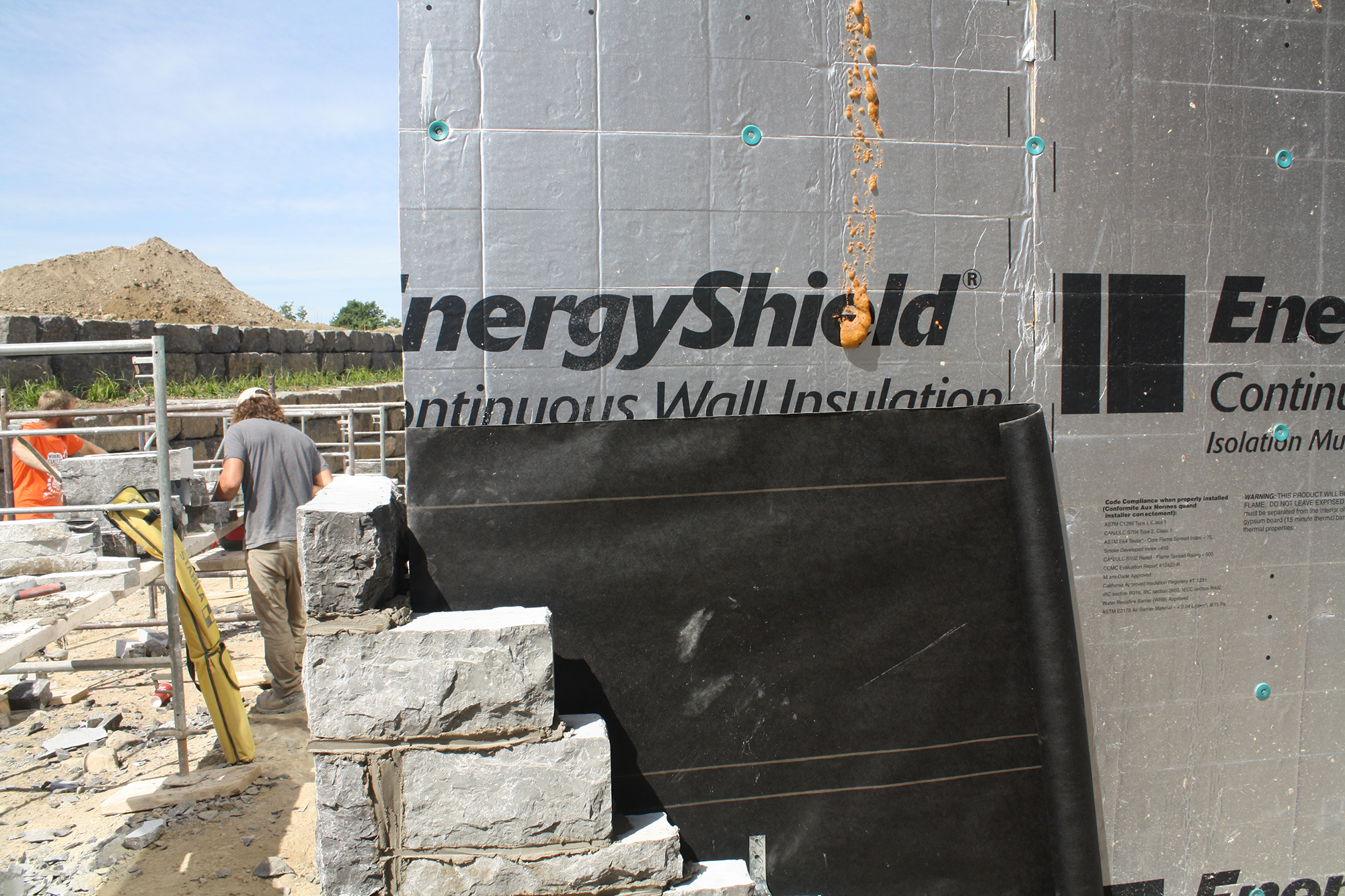
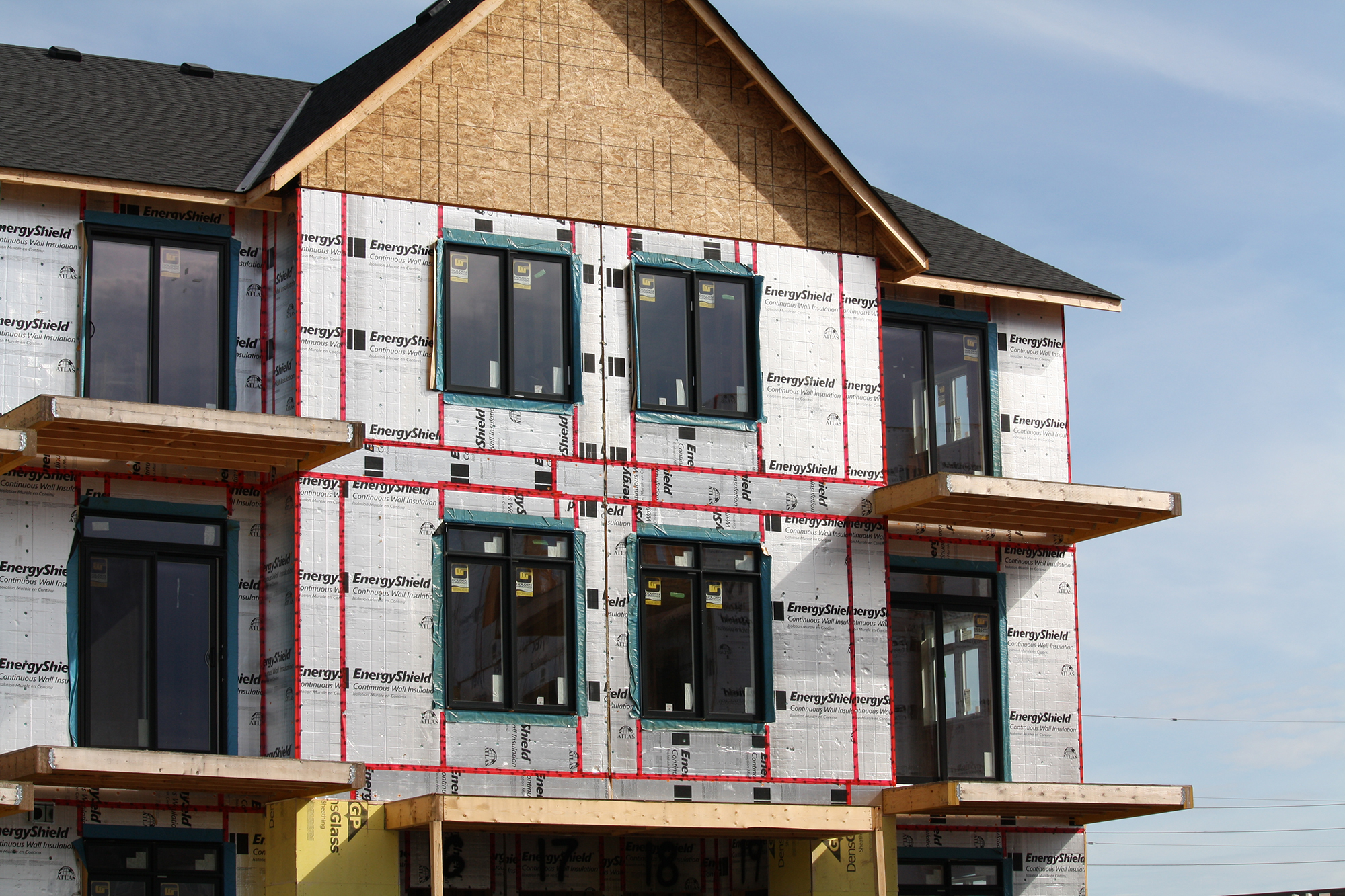
EnergyShield® is compatible with a wide range of cladding systems, including rainscreen assemblies, masonry veneer, metal panels, fiber cement, EIFS, and stucco.
What is the difference between foil-faced and glass-faced EnergyShield products?
Foil-faced boards provide maximum thermal performance, while glass-mat faced products (EnergyShield CG, Pro, Pro Plus) offer improved durability, dimensional stability, and compatibility with adhered air barrier systems.
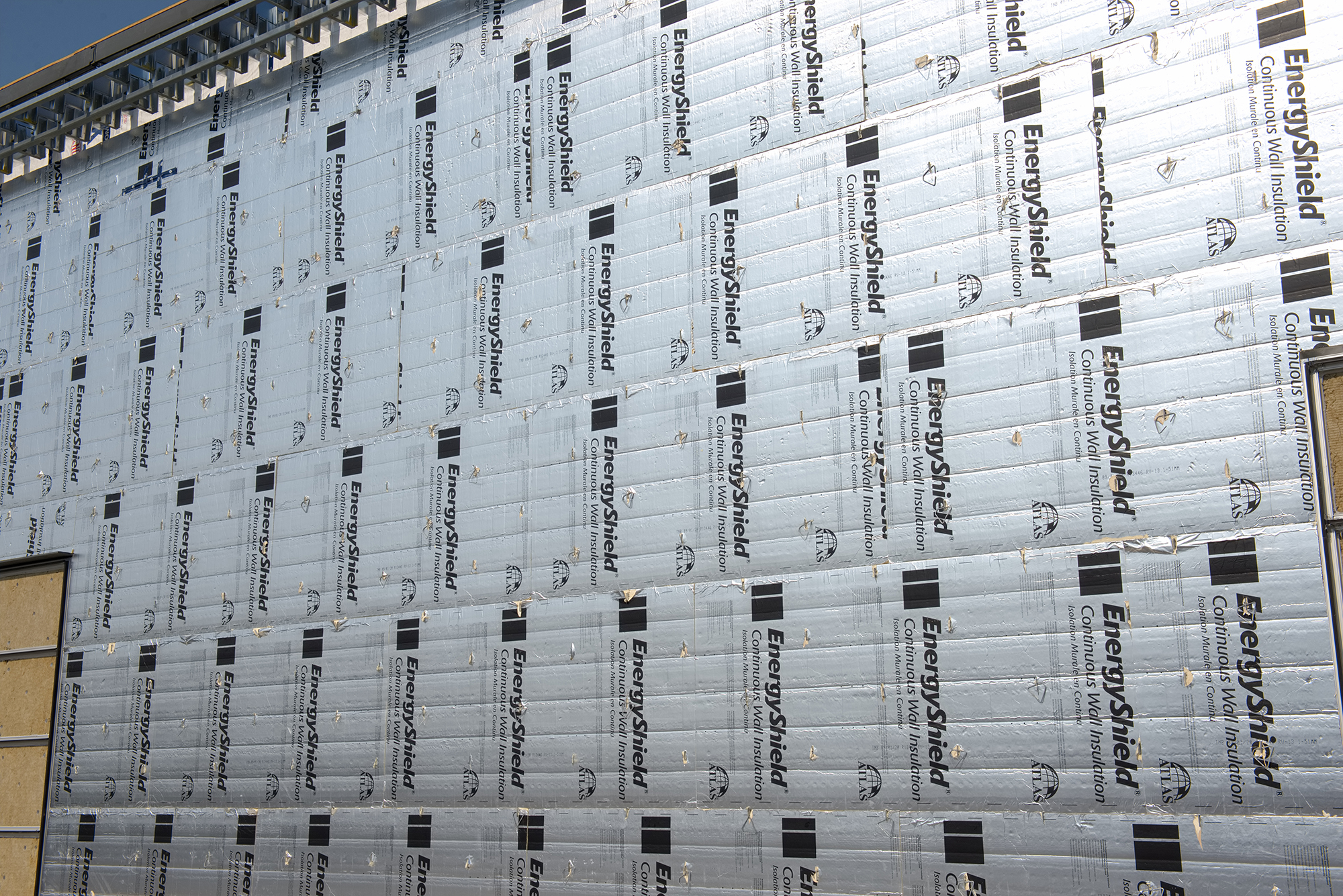
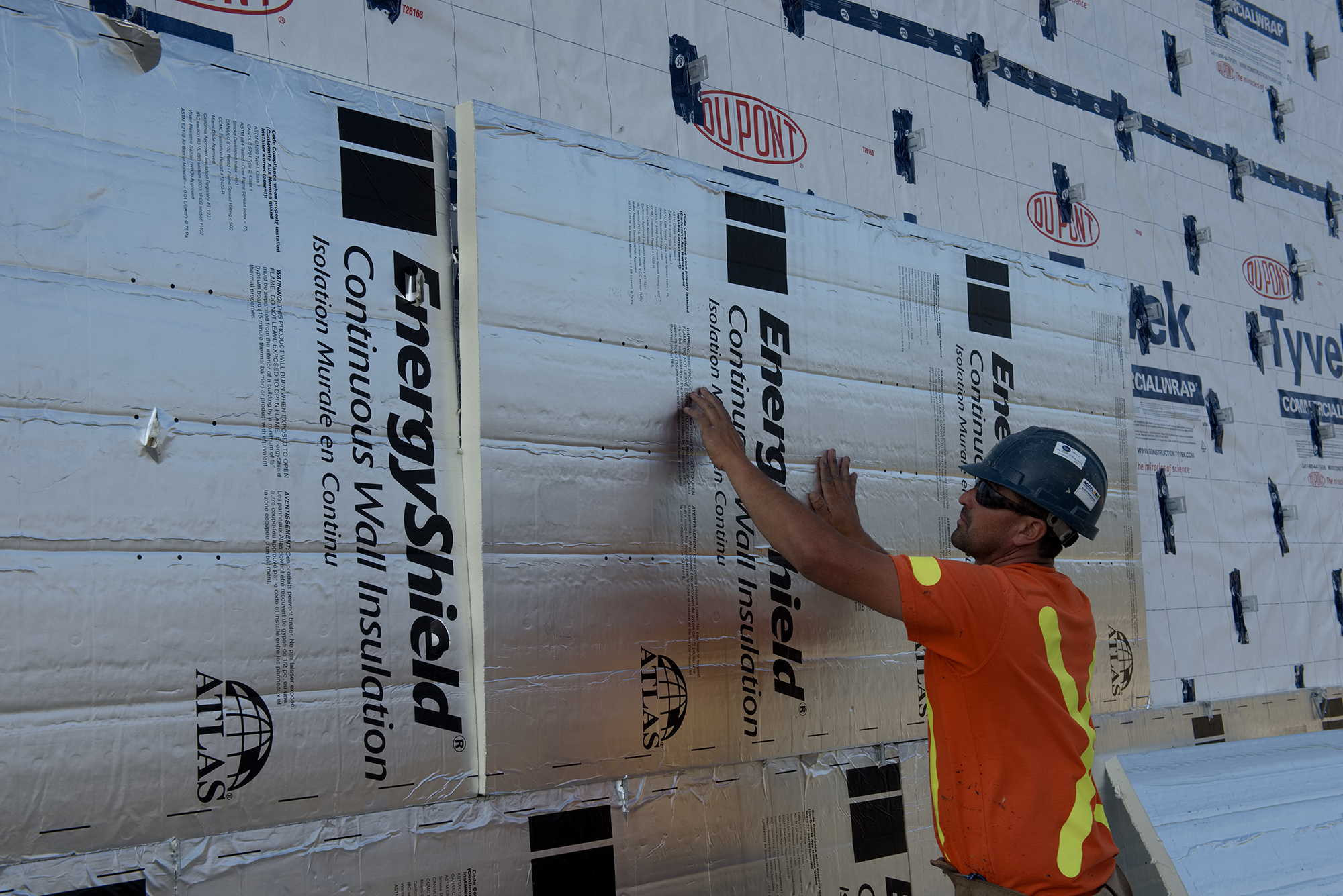
What type of insulation is EnergyShield®?
EnergyShield® is polyisocyanurate (polyiso) rigid foam insulation, which is a closed-cell foam with a high R-Value (typically 6.0-6.5) per inch compared to many other rigid or batt insulation types.